MEPCO Peak Hours: Timings, Rates and How to Cut Your Bill
MEPCO peak hours are 6 pm to 10 pm right now. That window runs until 30 November 2026. From 1 December, it moves to 5 pm to 9 pm. Peak hours change your bill only if you have a Time of Use meter. This guide gives the full seasonal table and the rates. It also has the test that tells you if peak hours even apply to you.
MEPCO peak hours today are 6 pm to 10 pm. They change to 5 pm to 9 pm on 1 December 2026. A unit costs Rs 46.85 in peak hours and Rs 34.53 off peak on a home Time of Use meter. Peak hours matter only if your sanctioned load is 5 kW or more.
Table of Contents
What are MEPCO peak hours?
Peak hours are the four hours when the grid is under the most strain. Homes switch on lights, fans, and motors in the evening. Offices close. Shops light up. Demand climbs fast. NEPRA sets a higher rate for those four hours. The idea is simple. Use less in those hours, and your bill drops.
Off-peak hours are the other twenty hours of the day. The rate is lower there. The window applies every day. Sundays and holidays count too. There is no rest day for peak hours.
The windows come from NEPRA’s tariff terms. The timings sit in clause 10 of the general definitions. You can read them on the NEPRA official website.
MEPCO peak hours timetable for 2026
The window moves four times a year. It follows the sunset and the evening demand. Here is the full table for MEPCO.
| Season | Peak hours | Off-peak hours |
|---|---|---|
| September to November | 6 pm to 10 pm | Other 20 hours |
| December to February | 5 pm to 9 pm | Other 20 hours |
| March to May | 6 pm to 10 pm | Other 20 hours |
| June to August | 7 pm to 11 pm | Other 20 hours |
Today is 13 November 2026. So the 6 pm to 10 pm row is the live one. In eighteen days, the window moves. Mark 1 December on your mind. The evening load shifts one hour earlier.
Karachi runs on its own clock. K-Electric has different peak hours. Do not use Karachi timings for a MEPCO bill.
Do peak hours apply to you?
This is the first test. Most homes fail it, and that is good news. Peak hours change your bill only with a Time of Use meter. That meter comes with a sanctioned load of 5 kW or more. A small home on a single-phase meter has no peak hours. The clock means nothing to that bill.
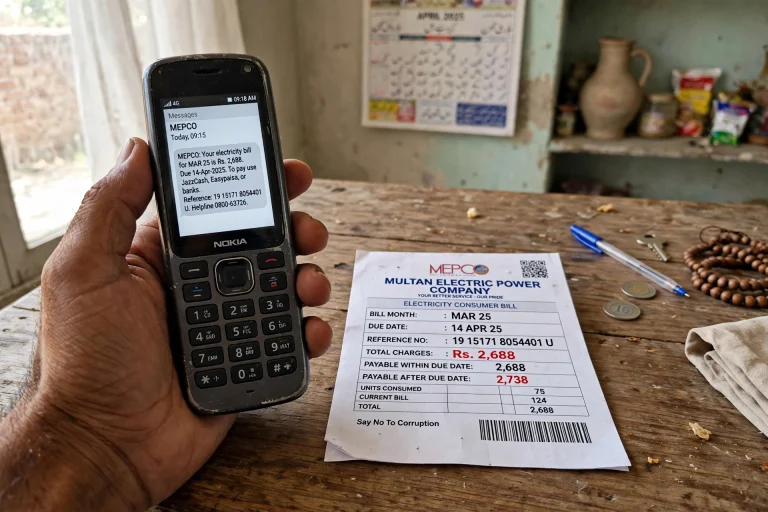
Look at your bill. A Time of Use bill shows two numbers. One for peak units. One for off-peak units. A normal bill shows one total. If you see one total, peak hours do not touch your bill. You can stop reading here. Your money is safe.
You can check your bill by reference number online and see the split. The bill page shows the peak and off-peak units side by side.
You need the bill in hand to see the split. If the bill did not arrive, get a duplicate first. Our guide covers what to do when the bill did not arrive.
Not sure about your load? Your bill lists the sanctioned load. It sits near the top. If it reads 5 kW or more, you are on Time of Use. If it reads less, you are not.
What do peak hours cost?
One unit costs more in peak hours. On a home Time of Use meter, a peak unit costs Rs 46.85. An off-peak unit costs Rs 34.53. The gap is Rs 12.32 per unit. That gap is the whole game. Every unit you move out of peak hours saves Rs 12.32.
Shops pay a different pair. A shop on Time of Use pays Rs 43.82 at peak and Rs 35.15 off peak. The gap is smaller. The rule is the same. Move the load, save the money.
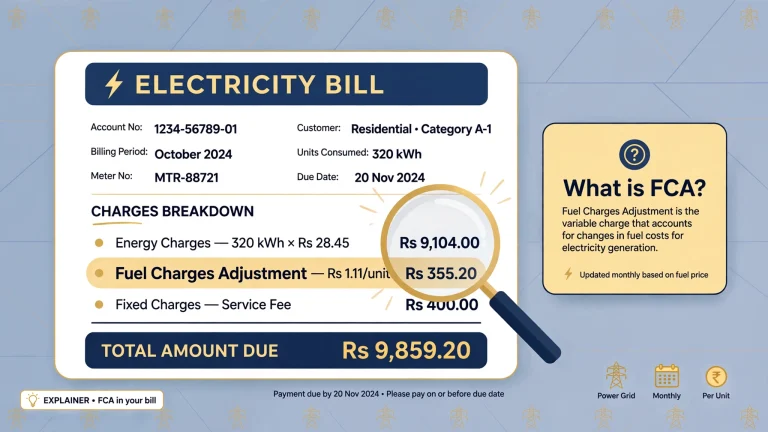
These are base rates from S.R.O. 279(I)/2026. Fuel charges and taxes sit on top of them. They add to both the peak and the off-peak rate. The November 2026 fuel charge is Rs 2.3673 per unit. Read how it works in the November 2026 fuel charge guide.
Take 100 units as an example. Shift them from peak to off-peak. You save 100 times Rs 12.32. That is Rs 1,232 in a month, before fuel charges and taxes. That is real money.
Rates can change. NEPRA held a tariff hearing for 2027. The outcome may move the rates. Read the latest on the NEPRA tariff hearing for 2027.
How to cut your bill in peak hours
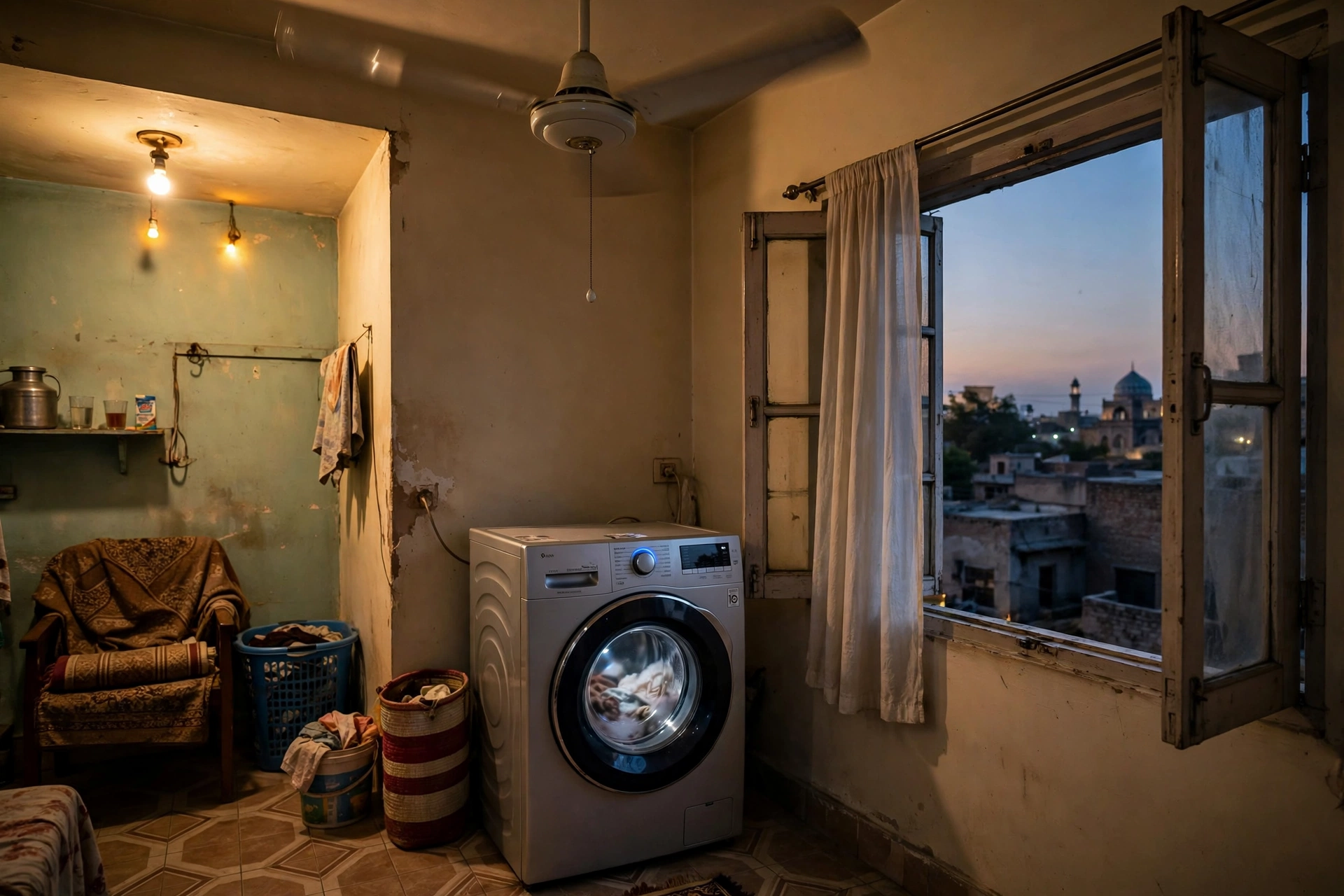
Shift the heavy loads. That is the whole trick. Run the washing machine after 10 pm. Fill the water tank before 6 pm. Iron clothes in the morning. A water motor, an iron, and a washing machine are the big three in most homes.
Tubewells matter most. A tubewell drinks units fast. Run it at night if you can. Farmers who shift the tubewell see the biggest drop. The same rule holds for a workshop. Move the heavy shift out of the four hours.
The saving shows on your next bill. You can pay the next bill online once it arrives. Check the peak units first. They should be lower than last month.
Do not buy a new meter for this. A Time of Use meter comes with the load. Small homes do not need it. The tips above help only if you already have one.
The 1 December change: what moves
On 1 December 2026, the window moves to 5 pm to 9 pm. Winter evenings get dark early. Demand peaks earlier. So the clock moves with it. The window stays there until the end of February.
Set your routine now. Move the evening load one hour earlier in December. The washing machine goes after 9 pm. The water motor runs before 5 pm. One small shift keeps the saving.
The 5 pm to 11 pm window you may see online
Some sites show a 5 pm to 11 pm window for MEPCO. That is six hours, not four. It is real, but it is a different option. MEPCO offers a voluntary Time of Use option on a dual meter. It runs from 5 pm to 11 pm. Tubewells and workshops use it most.
Do not mix the two. The standard window is four hours and changes with the season. The voluntary option is six hours, fixed at 5 to 11 pm. Your bill tells you which one you are on. Look for the peak and off-peak split. If your bill shows a 5 to 11 split, you are on the voluntary option.
If the two windows confuse you, call the MEPCO helpline at 118. Ask which Time of Use option your meter runs on. The staff can read it from your account.
FAQs
What are MEPCO peak hours today?
Today, 13 November 2026, MEPCO peak hours are 6 pm to 10 pm. They change to 5 pm to 9 pm on 1 December 2026. The other twenty hours are off-peak.
Do peak hours apply on Sundays?
Yes. Peak hours run every day of the week. Sundays and public holidays count too. The tariff writes no exemption for them.
What is the peak hour rate for MEPCO?
A home on Time of Use pays Rs 46.85 per unit in peak hours. Off-peak costs Rs 34.53. These are base rates before fuel charges and taxes.
How do I know if I have a Time of Use meter?
Check your bill. A Time of Use bill shows peak and off-peak units as two numbers. A normal bill shows one total. Your sanctioned load also tells you. It is 5 kW or more on a Time of Use meter.
Can I switch to a Time of Use meter?
Time of Use comes with a sanctioned load of 5 kW or more. If your load is lower, the meter does not apply to you. Ask at your MEPCO office or call 118 if you want the load raised.
This site is an independent helper. It is not MEPCO. For official services, visit mepco.com.pk.